

Retreat Planning Frequently Asked Questions
Retreat Planning: Creating an Experience With Purpose
A beautiful retreat rarely happens by accident.
Whether you are looking for a retreat for yourself, creating a private experience with someone you love, bringing a group together or organising something for your team, there are many decisions that shape how the experience ultimately feels.
Where will it take place? How long should it be? What do you actually want to gain from it? Which practices feel right? How much structure should there be?
Will you stay onsite? What kind of facilitator do you need?
They are practical questions, but underneath them sits a much simpler one:
Why are you retreating in the first place?
For me, that is always the place to begin.
Start With Your Intention
-
Before thinking about accommodation, meals or activities, establish the retreat's purpose. Are you creating space for rest, personal development, team connection, leadership development, emotional wellbeing or simply time away from everyday demands?
A clear intention becomes the filter for almost every decision that follows. It helps determine the location, retreat length, group size, facilitators, wellness modalities and pace of the itinerary.
For a private retreat, the starting point may be deeply personal. For an organisational retreat, it may involve identifying specific outcomes such as stronger communication, strategic clarity or improved wellbeing.
-
Look beyond beautiful photographs and read carefully about what the experience actually involves.
Ask yourself whether the retreat's intention matches your own. Review the daily schedule, facilitators and practices being offered. Consider how much free time is included, whether accommodation suits you and how comfortable you feel with the group format.
Also consider practical matters such as travel, dietary requirements, physical accessibility and whether particular activities require prior experience.
The right retreat should feel aligned rather than simply impressive.
-
Planning time depends on the complexity of the retreat.
A simple private experience may require relatively little coordination, while a multi-day group or corporate retreat involving accommodation, facilitators, catering and travel needs considerably more preparation.
Starting early allows you to secure preferred dates, venues and practitioners and gives participants enough notice to arrange travel and other commitments.
For larger or highly customised experiences, additional lead time can make the planning process much easier.
-
There is no ideal retreat length for everyone.
A half-day or full-day experience can provide meaningful space for rest, reflection or a particular wellness practice. Overnight and multi-day retreats allow participants more time to settle into the environment and step away from their usual routine.
Lionsgate Wellness creates experiences ranging from shorter immersions through to multi-day retreats, depending on individual and organisational needs.
The key is matching the duration to the intention rather than assuming longer automatically means better.
-
Location influences how easily participants can mentally and physically step away from everyday life.
Nature-rich environments can create a noticeable contrast with busy workplaces, cities and familiar routines. Privacy can also help participants feel less distracted and more present.
Practical considerations matter too: accessibility, accommodation, catering facilities, weather options, activity spaces and transport should all be considered.
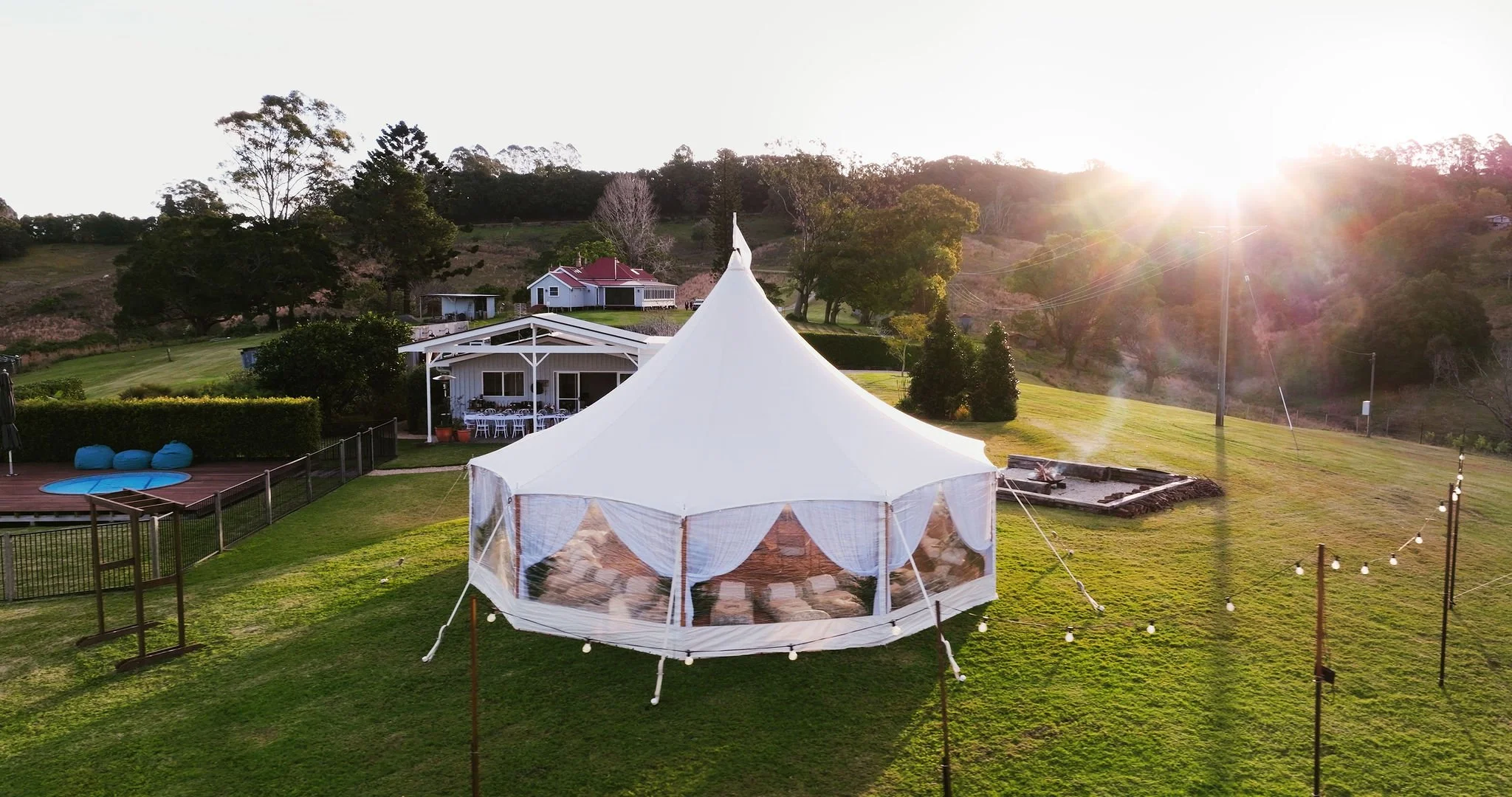
Heartwood Farm combines privacy and natural surroundings across 102 acres in the Byron Bay Hinterland.
-
Nature changes the sensory environment.
Instead of screens, traffic and constant notifications, participants may encounter open space, natural light, birdsong, changing weather and slower rhythms.
A retreat doesn't necessarily need to turn nature into another scheduled activity. Simply having opportunities to walk, sit outdoors, eat outside or watch the landscape can contribute to the overall experience.
This is one reason nature plays such an important role within the retreat environment at Heartwood Farm.
-
A facilitator helps shape not only what happens during a session but how safe, supported and comfortable participants feel.
Research their background and understand exactly what they will be facilitating. For therapeutic or specialised practices, appropriate professional training and scope of practice are particularly important.
It is also worth having a conversation beforehand. Technical expertise matters, but so do communication, empathy and the facilitator's ability to respond appropriately to the people in the room.
-
More activities do not necessarily create a better retreat.
Constantly moving between workshops, meals and wellness sessions can leave little time for participants to process what they have experienced.
Build breathing room into the itinerary.
A thoughtful retreat may include periods of facilitated activity followed by rest, nature, conversation, journalling or simply unstructured time.
The spaces between experiences can be important parts of the experience themselves.
-
The right combination depends on the purpose and participants.
Some retreats focus deeply on one modality. Others use several complementary practices to create different experiences throughout the day.
At Lionsgate Wellness, retreat possibilities can include practices such as breathwork, meditation, sound healing and equine-assisted experiences alongside nature, rest and reflective time.
Each modality should have a reason for being there.
-
Participants often need time to absorb experiences rather than immediately moving into the next activity.
Free time allows someone to walk, journal, rest, talk quietly with another participant or simply sit.
This can be especially valuable after emotionally reflective or deeply relaxing practices.
Instead of treating free time as an empty space in the schedule, consider it an intentional part of retreat design.
-
Different seasons create different retreat atmospheres.
Warmer periods may lend themselves to extended outdoor activities, while cooler weather can create a more inward, reflective atmosphere.
Consider expected weather, daylight hours, accommodation, outdoor spaces and seasonal travel demand.
If your retreat has significant outdoor components, build flexibility into the itinerary so weather changes don't undermine the experience.
-
A retreat can be an excellent opportunity to encounter a wellness practice for the first time because an experienced facilitator can introduce it in a structured environment.
Tell the facilitator if you are new to the practice.
You should also feel able to ask questions, modify your participation or opt out if something doesn't feel appropriate for you.
Lionsgate Wellness states that retreat activities can be adapted according to individual comfort and that previous experience is not necessarily required.
-
Private retreats allow far greater personalisation than fixed group programs.
You can consider why you want to retreat, how much time you have, whether you are coming alone or with someone else, what practices interest you and how much rest you want.
Lionsgate Wellness approaches private experiences by first understanding the guest's goals, preferences and intentions rather than starting with a predetermined package.
That creates space for the experience to be designed around the person rather than asking the person to fit the program.
-
The hinterland offers a different experience from staying within a busy coastal destination.
Rolling countryside, open skies and quieter surroundings create a natural sense of separation without requiring guests to travel to an extremely remote location.
Heartwood Farm is located at Federal within the Byron Bay Hinterland, providing a private rural setting while remaining connected to the broader Byron region.
-
Heartwood Farm is a private 102-acre property in the Byron Bay Hinterland.
Lionsgate Wellness describes the venue as suitable for retreat facilitators, corporate teams, wellness practitioners and other intentionally designed gatherings.
The property can support multi-day retreats, leadership off-sites, workshops, immersions and private experiences, with additional elements such as facilitation, catering and accommodation considered according to the event.
-
You don't need to arrive with every detail worked out.
Often the most useful starting point is simply a conversation about what you are hoping to create.
Lionsgate Wellness can work with the retreat's intention, group, timeframe and preferred experience to help bring together appropriate elements such as the venue, wellness practices, facilitators, meals, accommodation and overall flow.
Heartwood Farm then provides the environment in which those elements come together.
The goal isn't to squeeze your idea into an existing template.
It is to understand what you want the experience to become and build thoughtfully from there.