

Nature Based Healing Frequently Asked Questions
Nature based healing begins with this relationship between the human body, mind and the natural world. It is not necessarily about doing more. Often, it is about creating the conditions in which we can slow down, become more present and reconnect with something that modern life can make remarkably easy to forget.
At Lionsgate Wellness, we believe the natural environment can play an important role in the way we experience rest, reflection and personal wellbeing. At Heartwood Farm in the Byron Bay Hinterland, the rolling hills, river, open skies, wildlife and changing rhythms of the landscape are
not simply the backdrop to a wellness experience. They become part of it.
-
Nature based healing recognises that our surroundings can influence how we feel, where we place our attention and how easily we are able to slow down.
It can include very simple experiences such as walking through a forest, sitting beside water, gardening or quietly observing the natural environment. It can also include more structured practices such as forest bathing, ecotherapy, nature therapy, outdoor mindfulness and certain animal-assisted or retreat experiences.
The common element is intentional engagement with nature.
Rather than treating the landscape simply as scenery, nature becomes part of the experience itself through sight, sound, movement, touch, scent and awareness.
Nature based healing should not be viewed as a replacement for appropriate medical or psychological care. Instead, it can form part of a broader approach to wellbeing that creates opportunities for relaxation, reflection, mindful awareness and reconnection.
At Lionsgate Wellness, this relationship with nature is woven into the experience of Heartwood Farm, where the surrounding landscape provides space to walk, rest, breathe and integrate between wellness sessions.
-
Not necessarily. Nature based healing is a broad umbrella concept, while nature therapy generally refers to more intentional or facilitated therapeutic approaches involving the natural environment.
-
Our wellbeing is influenced by many interconnected factors, including movement, sleep, stress, relationships, environment and our ability to experience periods of genuine rest.
Nature can interact with several of these at once.
Walking outdoors encourages physical movement. Natural light supports our relationship with daily rhythms. Quiet surroundings may reduce competing demands on our attention. Trees, water, birdsong and open landscapes can provide gentle sensory stimulation.
Nature can also create something increasingly rare: uninterrupted space.
When we step away from screens, traffic, notifications and responsibilities, our attention has an opportunity to shift.
We may notice our breathing.
Our body.
The landscape.
Or simply how we are actually feeling.
It is this combination of environment, sensory experience, movement, attention and presence that makes nature such an interesting part of holistic wellbeing.
-
Nature connection does not require spiritual beliefs, meditation experience or an understanding of holistic wellness.
You can approach it very practically.
Take a walk.
Sit beneath a tree.
Spend time beside the ocean.
Listen to birds.
Garden.
Watch the sunset.
Leave your phone behind for twenty minutes.
The experience begins with attention rather than belief.
For some people, nature connection becomes deeply spiritual. Others experience it primarily as relaxation, exercise, perspective or relief from mental stimulation.
Neither approach is more correct.
One of the strengths of nature-based wellbeing is its accessibility. You can engage with nature in a way that feels authentic to you rather than trying to create a particular experience.
-
Researchers across environmental psychology, public health, neuroscience and related fields have increasingly investigated the relationship between nature exposure and human wellbeing.
Studies have explored green spaces, forests, parks, gardens, coastlines and other natural environments in relation to stress, mood, attention, physical activity and quality of life.
Research into specific practices such as forest bathing has also examined physiological and psychological responses to spending time in forest environments.
The evidence should be interpreted carefully. Nature is not a universal treatment, and simply spending time outdoors cannot be assumed to cure physical or psychological conditions.
What the broader research increasingly supports is the idea that our environment matters.
Access to nature can form one part of a healthy lifestyle and may create conditions that encourage movement, relaxation, social connection, reflection and restoration.
This evidence-informed perspective sits comfortably alongside the experiential understanding many people already have: sometimes we simply feel different after meaningful time outside.
-
Stress is influenced by far more than our surroundings, but environment can contribute to how stimulated, distracted or settled we feel.
Highly demanding environments can require constant attention. Traffic, screens, notifications, artificial noise and competing responsibilities can keep the mind continually engaged.
Nature often presents a different sensory landscape.
The movement of leaves, birdsong, flowing water and changing light can hold our attention gently without requiring an immediate response.
For some people, this makes it easier to slow their breathing, release physical tension and experience a greater sense of space.
A walk through nature will not remove the causes of chronic stress, but it may provide a valuable interruption to the patterns of constant stimulation that often accompany it.
-
Our nervous system is continually receiving information from our surroundings.
Noise, movement, perceived threats, social demands and digital stimulation can all influence our state of arousal.
Natural environments often provide slower and less demanding forms of sensory input.
When a person feels safe and comfortable, spending quiet time in nature may coincide with slower breathing, reduced muscular tension and a more relaxed state.
This is one reason natural environments can work particularly well alongside practices intended to cultivate relaxation and awareness, including meditation, conscious breathing and restorative yoga.
It is important not to oversimplify the nervous system into an on/off switch. Human responses are complex and individual.
The more useful idea is that environment matters, and creating surroundings that feel calm, safe and spacious can help support restorative experiences.
-
Researchers sometimes distinguish between green spaces, such as forests and parks, and blue spaces, including rivers, lakes and coastlines.
Water environments can provide a particularly rich sensory experience.
There is movement without urgency.
Sound without conversation.
Reflection, changing light and expansive views.
Watching waves or flowing water can gently capture attention while allowing thoughts to move into the background.
There may also be strong personal associations involved. Holidays, swimming, childhood experiences and memories of relaxation can influence how an individual responds to water.
At Heartwood Farm, the river provides another dimension to the surrounding landscape and an opportunity for guests to experience the quiet presence of water as part of their time in nature.
-
There can be a tendency to turn wellness into another activity we need to accomplish.
Walk a certain number of steps.
Meditate for a certain number of minutes.
Complete a particular practice.
Nature offers another possibility.
Simply sit.
Notice the temperature.
Listen to nearby sounds.
Look toward the horizon.
Observe the movement of leaves or clouds.
Feel your feet touching the ground.
There is nothing you need to achieve.
This can be especially valuable for people who find traditional meditation difficult. Rather than focusing exclusively inward, the natural environment gives attention somewhere gentle to rest.
Even short periods of intentional outdoor time can become small pauses within an otherwise busy day.
-
Mental wellbeing is influenced by many factors, so nature should never be presented as a universal solution to emotional or psychological difficulties.
However, natural environments can support several experiences that contribute to wellbeing.
They can provide opportunities for movement.
Quiet.
Sunlight.
Social connection.
Mindfulness.
Reduced digital stimulation.
Reflection.
Nature can also help create psychological distance from everyday routines. Problems may not disappear, but stepping into a different environment can sometimes change the perspective from which we see them.
For people experiencing significant or persistent mental health difficulties, appropriate professional support remains important.
Nature can complement that support rather than replace it.
-
A retreat is partly about stepping outside familiar patterns.
Changing location creates a boundary between everyday responsibilities and the experience you have intentionally chosen to enter.
Natural settings can deepen that contrast.
Instead of waking to traffic or notifications, you may hear birds.
Instead of moving between buildings, you walk through grass.
Instead of looking at another screen, you look toward hills, trees or sky.
This does not mean a wellness retreat must happen in nature to be meaningful.
But when the environment itself encourages slower rhythms and greater presence, it can complement the intention behind the retreat.
At Heartwood Farm, this is an important part of the Lionsgate Wellness approach. The landscape provides opportunities for nature connection before, between and after structured wellness experiences.
-
Yes. Nature connection is woven throughout many Lionsgate Wellness experiences at Heartwood Farm, including private retreats, wellness workshops, mindful practices and equine-assisted experiences.
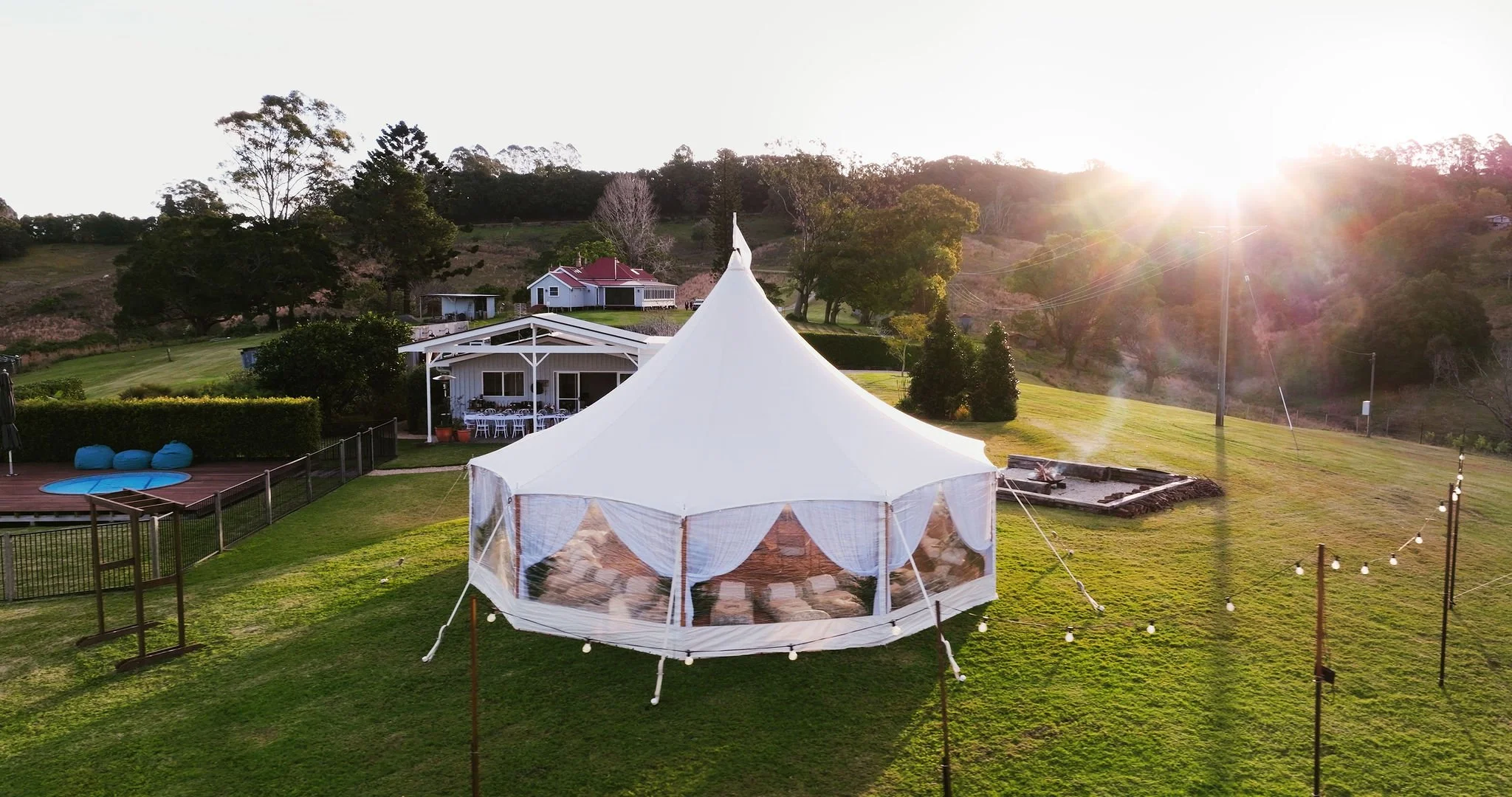
Heartwood Farm provides a naturally immersive environment across 102 acres in the Byron Bay Hinterland.Rolling green hills, river frontage, open skies, wildlife and places to walk or sit quietly create opportunities for nature connection throughout a visit.
Depending on the experience you choose, your time at Heartwood may also include modalities such as breathwork, meditation, Yoga Nidra, sound healing or equine-assisted experiences.