

Breathwork Frequently Asked Questions
Breathwork is a broad term for practices that intentionally change or bring awareness to the rhythm, depth or pattern of breathing. Techniques range from gentle breath awareness and slow diaphragmatic breathing to more immersive facilitated practices.
Breathing usually happens automatically, yet we can also deliberately influence it. This unique relationship makes the breath a powerful focus for mindfulness, body awareness and practices designed to encourage greater calm and presence.
-
Breathing usually happens automatically, but it is also something we can consciously influence. Breathwork uses this relationship intentionally.
Practices can range from gentle breath awareness and slow diaphragmatic breathing to structured techniques involving particular rhythms, extended exhales, breath retention or conscious connected breathing.
Different traditions approach breathwork differently. Some techniques are used alongside meditation or yoga, while contemporary facilitated breathwork may form part of a broader wellbeing, somatic or personal-development experience.
Rather than thinking of breathwork as one specific technique, it is more useful to understand it as a family of conscious breathing practices with different purposes, intensities and origins.
-
Breathing is closely connected with many processes occurring throughout the body.
When we are physically active, frightened, excited or relaxed, our breathing naturally changes. Breathwork intentionally works with that relationship by changing variables such as breathing rate, depth, rhythm and the relationship between inhalation and exhalation.
Different techniques can create very different responses.
Slow, controlled breathing may encourage a quieter, more settled experience, while faster or more intensive techniques can feel activating.
Attention also plays an important role. Following the breath directs awareness towards sensations occurring inside the body and provides a tangible point of focus in the present moment.
This combination of breathing, attention and bodily awareness helps explain why breathwork can feel very different from simply breathing normally.
-
People explore breathwork for many different reasons.
Some use gentle breathing practices to slow down after a busy day. Others incorporate conscious breathing into meditation, yoga or mindfulness. More immersive facilitated breathwork may be explored as part of a wellness or personal-development experience.
Research into controlled breathing has investigated potential relationships with stress, mood, attention, respiratory rate and autonomic nervous system activity.
However, "breathwork" includes many different techniques, so it is important not to assume that every breathing practice produces identical outcomes.
Breathwork is best approached as a wellbeing practice rather than a guaranteed treatment or cure.
-
Breathing is one of the most common anchors used within meditation.
In mindfulness meditation, for example, you might simply observe each inhale and exhale as it naturally occurs. When your attention wanders, you gently return it to the breath.
Breathwork usually involves a more deliberate breathing pattern.
You may slow your breathing, lengthen the exhale, breathe according to a particular rhythm or practise a more structured technique.
The practices can complement each other beautifully. A breathwork session may lead naturally into meditation, while breath awareness can become an ongoing mindfulness practice.
-
Most breathing occurs without conscious thought.
Conscious breathing begins when we intentionally notice the breath.
You might observe where you feel breathing within the body, whether it feels shallow or deep, how quickly you are breathing or how the inhale differs from the exhale.
You may then choose to alter the breathing pattern.
This deceptively simple practice can bring attention away from external distractions and towards the immediate experience of the body.
For many people, conscious breathing becomes an accessible doorway into mindfulness because there is always something tangible to return to: the next breath.
-
Breathing patterns and our physiological state are closely related.
When someone intentionally slows their breathing and allows it to become comfortable and rhythmic, the practice may help create conditions associated with settling and relaxation.
Attention also shifts away from constant external stimulation and towards a simple internal rhythm.
That said, not all breathwork is designed to be relaxing.
Some intensive techniques are deliberately activating and can produce strong physical or emotional sensations.
Anyone specifically seeking relaxation should choose an appropriate gentle technique rather than assuming all breathwork has the same effect.
-
The autonomic nervous system helps regulate many processes that occur without conscious effort, including aspects of heart function, digestion and physiological responses to stress.
Breathing has a particularly interesting relationship with this system because it occurs automatically but can also be deliberately controlled.
Research into slow-paced breathing has examined changes in measures such as heart-rate variability and autonomic activity.
However, different breathwork practices can produce different responses. Faster breathing may feel stimulating, while slower breathing can feel settling.
This is another reason it is misleading to speak about "breathwork" as though every technique affects the nervous system identically.
-
Stress can influence breathing without us noticing.
When we are rushing or under pressure, breathing may become faster, shallower or irregular.
Conscious breathing gives us an opportunity to interrupt that pattern.
Even a few minutes spent noticing and gently slowing the breath can create a very different experience from continuing to move automatically through a stressful moment.
Breathwork should not replace appropriate professional support for persistent or severe stress, anxiety or other health concerns, but gentle breathing can form part of a broader wellbeing toolkit.
-
Slow, comfortable breathing can provide a point of focus when thoughts feel busy or attention feels scattered.
However, breathing exercises need to be approached thoughtfully.
Some people experiencing anxiety can become more uncomfortable when concentrating intensely on breathing, and fast or intensive breathwork may increase sensations such as tingling, light-headedness or a racing heartbeat.
For anyone living with significant or persistent anxiety, breathing practices are best considered complementary wellbeing tools alongside appropriate professional support.
-
Every facilitator works differently, but a thoughtfully structured session generally begins before the breathing itself.
Participants should understand the technique, what they may experience and any relevant precautions.
The facilitator then guides the breathing pattern, sometimes using verbal cues, music or other complementary elements.
More immersive sessions may be followed by meditation, stillness, journalling or quiet reflection.
At Lionsgate Wellness, we value the entire arc of an experience — arrival, intention, practice, rest and integration — rather than viewing breathwork as an isolated activity.
-
You don't need previous meditation, yoga or breathwork experience to begin exploring conscious breathing.
For beginners, simplicity is often valuable.
Learning to notice your natural breathing and experimenting with comfortable, gentle breathing patterns creates a foundation before exploring more intensive methods.
If attending a facilitated session, tell the practitioner that you are new to breathwork and ask what technique will be used.
A good facilitator should explain the practice clearly and encourage you to work within your own comfort and capacity.
-
Breathwork gives participants an active point of focus through breathing and bodily awareness.
Sound can create a surrounding sensory environment through instruments such as singing bowls, gongs or other resonant instruments.
When thoughtfully facilitated, these practices can create a natural progression.
Breath may bring attention inward.
Sound may deepen the sense of immersion.
Stillness afterwards allows time to notice what remains.
At Lionsgate Wellness, complementary modalities are brought together intentionally. The aim isn't to add more and more activities, but to create an experience with a meaningful rhythm and flow.
-
Ceremony can help mark the beginning of an experience.
Rather than arriving hurriedly and immediately beginning a breathing technique, participants are invited to slow down, become present and consider why they have chosen to be there.
Lionsgate Wellness's Breath of Renewal experiences may bring guided breathwork together with ceremonial elements such as cacao or Blue Lotus within the setting of Heartwood Farm.
These elements should complement rather than overshadow the breathwork itself.
For us, ceremony is about intention, presence and creating space to arrive.
-
Environment influences experience.
Breathing consciously while surrounded by open space, birdsong, moving air and natural light can feel very different from practising beside a computer or in the middle of a busy day.
Nature also gives attention somewhere gentle to rest.
You may notice the temperature of the air as you inhale, sounds around you or the physical feeling of sitting on the earth.
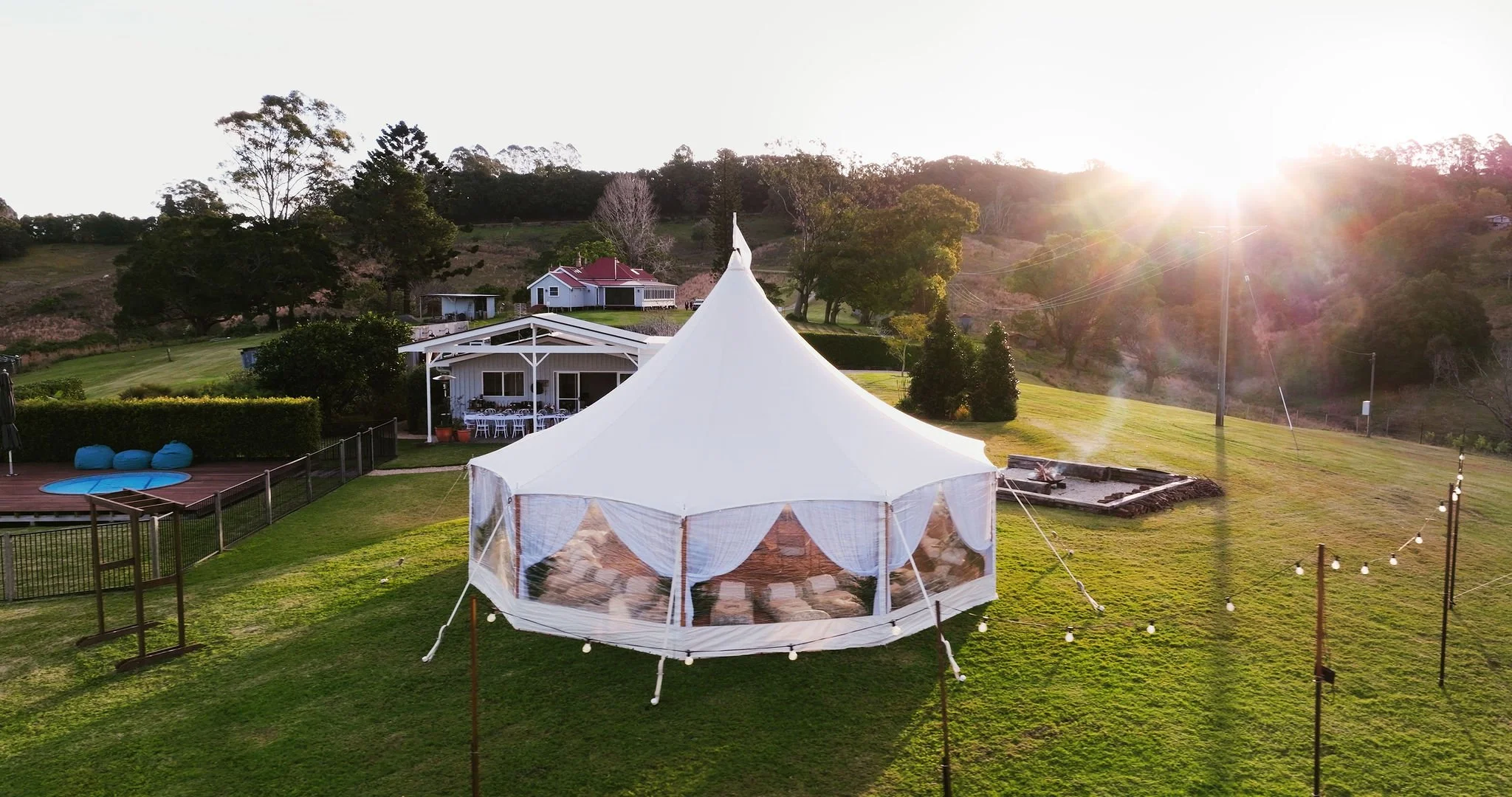
At Heartwood Farm in the Byron Bay Hinterland, this relationship with landscape is intentionally woven into the Lionsgate Wellness experience.
The surroundings aren't simply a backdrop.
They become part of the invitation to slow down.